

The trick is choosing a sofa that fits the floor plan, suits daily habits, and avoids bulky shapes that swallow space. This guide covers what to look for, what to avoid, and which styles tend to work best in tight homes.
What makes a 2 seater sofa ideal for a small space?
It is ideal when a 2 seater sofas for small spaces option saves floor space without sacrificing comfort. That usually means a compact footprint, a visually light profile, and dimensions that match how the room is actually used.
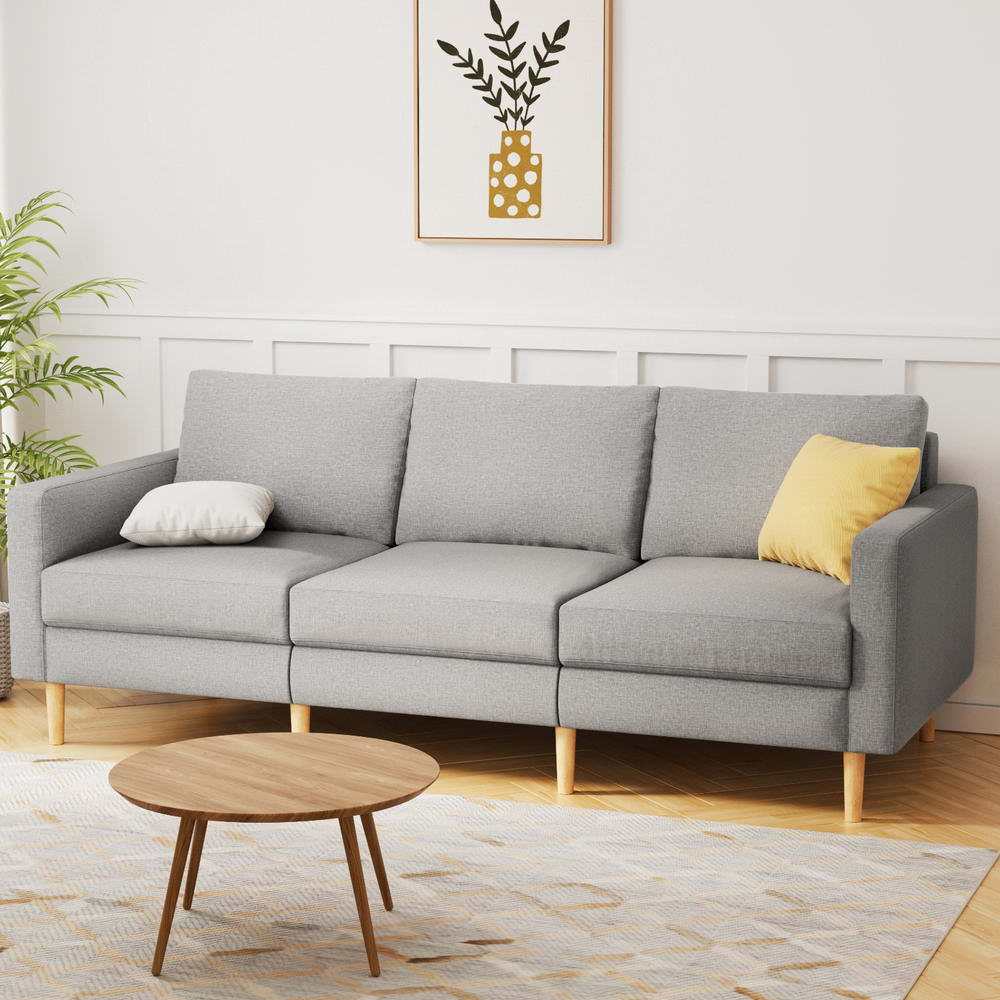
In most units, the winning 2 seater sofas for small spaces designs are the ones that look slim from the side, sit slightly higher off the floor, and do not have oversized arms. If they also offer hidden storage or a pull-out bed, they can replace extra furniture and free up even more room.
What measurements should they check before buying?
They should measure the available wall length, the depth they can spare, and the walking paths around it. A sofa that “fits” on paper can still feel wrong if it blocks flow.
As a simple checklist: measure the space, then mark the sofa outline on the floor with tape. They should also measure doorways, elevators, and tight corners, because small-space buildings often have tricky access. Finally, they should check seat height and depth if they are tall, short, or plan to lounge a lot.
How can they choose between apartment-size, compact, and standard 2 seaters?
They should choose based on depth and arm size, not just the label. Many “2 seaters” are still deep and wide, especially with thick arms or bulky cushions.
Apartment-size models typically reduce depth and arm width, which helps in studios where the sofa faces the bed or kitchen. Compact 2 seaters tend to be the sweet spot for most units because they still feel like a proper lounge seat. Standard 2 seaters often work only when the room is wider and has clear circulation space.
Which sofa shapes save the most space in studios?
Straight, armless, and slim-arm designs usually save the most space. They keep the silhouette tight and reduce wasted width.
Boxy sofas with narrow arms can seat two adults without needing a long wall. Armless styles are especially useful when the sofa must sit close to a doorway or in a multipurpose area. If they want a softer look, they can still choose rounded corners, but they should avoid thick rolled arms in very small rooms.
Are sofa beds worth it for units and studios?
Yes, if they need overnight flexibility and can manage the trade-offs. A good sofa bed can replace a guest bed, but it often adds weight, cost, and a slightly firmer seat.
They should look for easy-open mechanisms and a sleeping size that actually suits their guests. In tight studios, a click-clack futon style can be the simplest because it needs less clearance than some pull-out designs. If guests are frequent, a proper pull-out mattress can be more comfortable, but it needs room in front to extend.
What upholstery and colours make small rooms feel bigger?
Light to mid neutrals, textured weaves, and performance fabrics tend to work best. They keep the room airy while still hiding everyday wear.
If they worry about stains, they can choose a stain-resistant fabric in a warmer neutral like oatmeal, taupe, or soft grey. Leather can look sleek and visually “clean,” but it can also feel cold and show scratches, so it suits some lifestyles more than others. To make the room feel larger, they can match the sofa tone to the wall or rug rather than creating harsh contrast.
Should they prioritise comfort or footprint?
They should prioritise the footprint first, then fine-tune comfort within those limits. In a small home, a sofa that is slightly less plush but correctly sized will be used more often than a perfect lounge sofa that dominates the room.
That said, comfort does not have to disappear. They can look for supportive seat foam, a seat depth that matches their posture, and back cushions that do not collapse quickly. If they like to sprawl, a compact sofa plus an ottoman can create a chaise-like setup without the bulk of an actual chaise.
What features help a 2 seater do “double duty”?
Storage, modular pieces, and moveable components help most. In small spaces, the best sofa is often the one that reduces the need for extra furniture.
They can consider:
- Storage bases for throws, spare bedding, or seasonal items.
- Reversible cushions to extend lifespan.
- Loose ottomans that act as extra seating, a coffee table, or a footrest.
- Modular 2 seaters that can be reconfigured when they move.
If they work from home, firmer seat cushions also matter, because overly soft sofas can be uncomfortable for long sitting.
Which 2 seater sofa styles are reliable picks for small spaces?
Slim, simple styles tend to perform best because they fit more layouts and decor. These are the common “ideal picks” that usually suit units and studios:
- Scandi-style 2 seater: tapered legs, light profile, and easy pairing with compact furniture.
- Mid-century modern: raised base and clean lines that keep the room feeling open.
- Low-profile modern: good for narrow rooms, as long as the depth is not excessive.
- Armless loveseat: great where width is tight, especially near hallways and doors.
- Compact sofa bed: useful for guests, but they should confirm the open-bed clearance.
- Modular mini sofa: helpful if they move often or have awkward corners.
They should pick a style that matches their storage needs and how they use the room daily, not just what looks good in photos.
How can they style a 2 seater sofa to make the room feel larger?
They should keep the area around it visually light and avoid heavy, oversized accessories. Small-space styling works best when every piece earns its spot.
They can place a narrow side table instead of a wide coffee table, and choose a rug that extends under the sofa to “stretch” the zone. Wall-mounted shelves or sconces reduce the need for floor lamps. A mirror or artwork above the sofa can add height and make the room feel less boxed in, especially in studios where the lounge blends into other zones.
What mistakes do they commonly make when buying for a unit or studio?
The biggest mistake is choosing based on looks without checking depth, arms, and access. Many returns happen because the sofa cannot get through the building, or it overwhelms the room.
They also often buy a sofa with deep seats that feel luxurious in a showroom but force awkward walking paths at home. Another common miss is ignoring maintenance, such as light fabrics in high-traffic homes without stain resistance. Finally, they sometimes skip leg height, even though raised legs can make a small room feel instantly less crowded.
What is the simplest way to choose the right one?
They should start with measurements, pick a slim shape, then choose the most durable fabric they can afford. That combination usually produces a sofa that looks good, feels practical, and suits small-space living.
A well-chosen 2 seater can make a unit or studio feel intentional, not “small.” When the size, shape, and fabric align with the space, it becomes the piece that makes the whole home easier to live in.
FAQs (Frequently Asked Questions)
What makes a 2 seater sofa ideal for a small living space?
An ideal 2 seater sofa for small spaces saves floor space without sacrificing comfort. It typically has a compact footprint, a visually light profile, slim dimensions that match the room’s usage, sits slightly higher off the floor, and avoids oversized arms. Additional features like hidden storage or a pull-out bed can further enhance space efficiency.
Which measurements should I check before buying a 2 seater sofa for my unit or studio?
Before purchasing, measure the available wall length, depth you can spare, and walking paths to ensure the sofa doesn’t block flow. Mark the sofa outline on the floor with tape to visualize fit. Also measure doorways, elevators, and tight corners for access. Check seat height and depth especially if you are tall, short, or plan to lounge extensively.
How do I choose between apartment-size, compact, and standard 2 seater sofas?
Choose based on depth and arm size rather than labels alone. Apartment-size sofas reduce depth and arm width ideal for studios facing beds or kitchens. Compact 2 seaters strike a balance by feeling like proper lounge seats without bulk. Standard 2 seaters suit wider rooms with clear circulation space but may be too large for tight layouts.
Which sofa shapes save the most space in small studios or units?
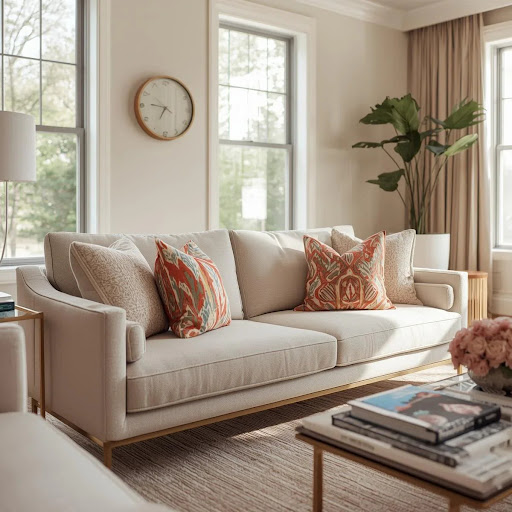
Straight, armless, and slim-arm sofa designs save the most space by keeping a tight silhouette and reducing wasted width. Boxy sofas with narrow arms can seat two adults without requiring long walls. Armless styles are especially useful near doorways or multipurpose areas. Avoid thick rolled arms in very small rooms to maximize space.
Are sofa beds worth considering for units and studios?
Yes, if overnight flexibility is needed and trade-offs like added weight or firmer seats are manageable. Good sofa beds can replace guest beds and free up room. Click-clack futon styles work well in tight spaces due to minimal clearance needs; pull-out mattresses offer more comfort but require front clearance when extended.
What upholstery colors and fabrics make small rooms feel bigger with a 2 seater sofa?
Light to mid neutrals such as oatmeal, taupe, or soft grey with textured weaves help create a visually open environment while masking everyday wear, aligning with neutral sofa colour selection and interior space-enhancement design principles. Performance fabrics further enhance usability through built-in stain resistance suited for daily living. Leather provides a sleek, premium aesthetic but may feel cooler and reveal scratches, making it more suitable for specific lifestyle contexts. Coordinating sofa tones with wall finishes or rugs also helps reduce harsh visual contrasts that can make a space feel smaller.