

Yes, it usually is, but only when they use the right product, follow the label, and manage re-entry properly. The real risk is not the idea of fumigation itself, it’s poor preparation, rushed ventilation, or ignoring a technician’s instructions.
For families asking whether pest fumigation Sydney is safe for kids and pets, the safest approach is to treat every job as chemical exposure until the home is cleared for re-entry in writing.
Is pest fumigation the same as a standard pest spray?
No. Fumigation generally means a gas, vapour, or smoke style treatment that reaches into voids, while a standard spray is usually a liquid applied to surfaces and entry points.
In everyday conversation, some providers still call certain fogging or smoke treatments “fumigation,” so they should confirm the exact method and active ingredient. That clarity matters for families booking pest fumigation Sydney services.
What makes pest fumigation risky for pets and children?
The main risks are inhalation, skin contact, and residue exposure on toys, floors, bedding, and food areas. Children and pets are more vulnerable because they spend more time close to surfaces and may mouth objects.
Aquariums, birds, reptiles, and small mammals can be especially sensitive. That is why any pest fumigation Sydney job should include written prep steps and clear re-entry times.
Are licensed fumigators in Sydney required to follow strict safety rules?
Yes. In NSW, pesticide use is regulated and operators must follow label directions, safety data sheets, and applicable licensing requirements. Reputable providers also use risk assessments and site-specific instructions.
Families should choose a business that explains the product, the target pest, and the safety plan in plain language. For pest fumigation Sydney, they should expect documentation, not vague promises.
Which types of fumigation treatments are most common in Sydney homes?
Most residential jobs marketed as fumigation are actually fogging, smoke treatments, or targeted dusting in roof voids and wall cavities. Full structural tent fumigation is uncommon for typical Sydney homes.
The safest choice depends on pest type, infestation level, and whether pets or young children live in the home. A good pest fumigation Sydney provider recommends the least disruptive method that still works.
Is pest fumigation Sydney safe for dogs and cats?
It can be, as long as they remove dogs and cats during treatment and keep them out until re-entry is approved. Pets are at risk if they return too early and lick paws after walking on treated surfaces.
They should ask the technician whether any surfaces need wiping before pets return. For pest fumigation Sydney, pet safety is mostly about timing, ventilation, and cleaning.
Is pest fumigation Sydney safe for birds, fish, and reptiles?
It can be safe, but these animals often need extra protection or relocation. Birds have very sensitive respiratory systems, and fish tanks can absorb airborne chemicals if not sealed and protected properly.
They should not assume covering a cage or aquarium is enough. With pest fumigation Sydney, the technician should provide specific steps for each animal type, including whether removal is required.
Should children and pregnant people leave the house during fumigation?
In most cases, yes. Even if the product label allows re-entry after a set time, families often choose a more conservative approach for babies, toddlers, or pregnant people.
They should follow the stricter of two rules: the label requirement and the technician’s advice. When booking pest fumigation Sydney, they should ask for the minimum vacancy time and a safer “best practice” timeframe.
How long should they stay out after pest fumigation?
It depends on the product and method, but re-entry is usually after a set number of hours plus thorough ventilation. Some jobs may require longer, especially if the treatment targets hidden areas and the home is closed up.
They should only return when the provider has confirmed it is safe to do so. For pest fumigation Sydney, the re-entry window is not guesswork, it’s part of the treatment plan.
What preparation steps reduce risk for pets and children?
Preparation reduces residue contact and prevents contamination of food, toys, and bedding. The most useful steps are usually simple, but they must be done properly.
They should typically:
- Pack away toys, dummies, pet bowls, and loose items from floors
- Cover or remove food, utensils, and toothbrushes
- Move pet beds and kids’ bedding off the ground
- Follow any instructions about turning off air conditioning or fans
For pest fumigation Sydney, prep is where most safety wins happen.
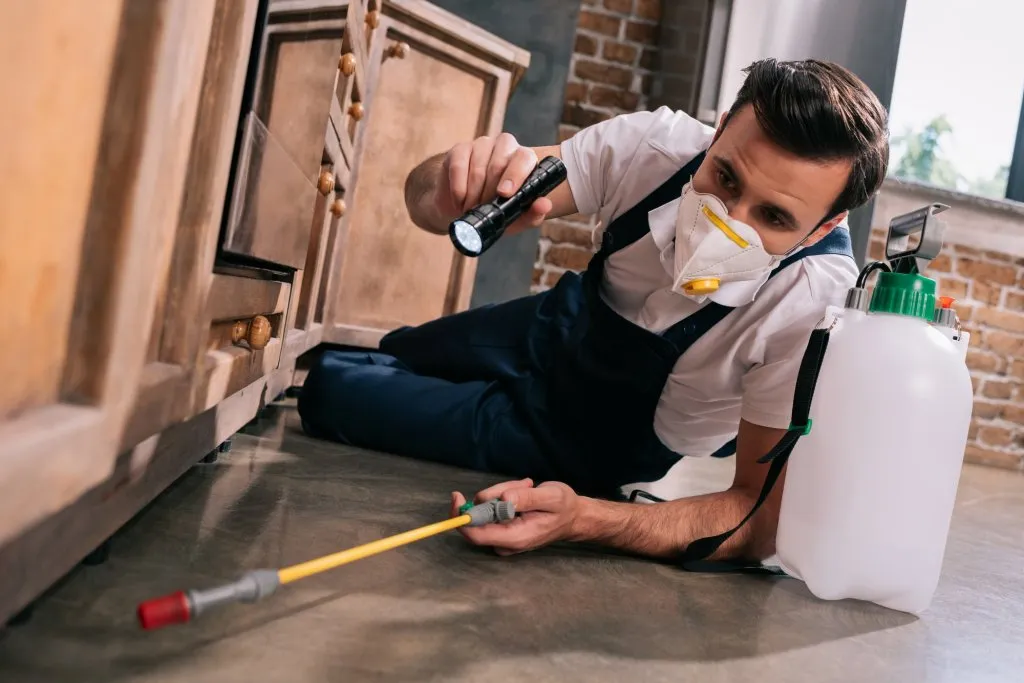
What should they clean after fumigation before kids and pets return?
They should focus on the places kids and pets touch most. This often includes floors, low cupboards, skirting boards, and any surfaces used for feeding or play.
They should ask the provider whether wiping is required and what cleaner is appropriate. With pest fumigation Sydney, the post-treatment clean is about reducing residue, not “scrubbing the chemical away” without guidance.
Can fumigation residue linger on carpets, couches, and soft toys?
Sometimes, yes, depending on the product and where it was applied. Soft furnishings can hold odours longer and may trap fine particles if a dust or smoke treatment was used.
If families are concerned, they should ask whether the treatment involves airborne particles and whether vacuuming is recommended. A transparent pest fumigation Sydney provider explains what settles where.
What signs suggest the home is not ready for re-entry?
Strong chemical odours, irritation, coughing, watery eyes, or pets acting unusually can be warning signs. These symptoms do not always mean danger, but they should be taken seriously.
They should ventilate, leave again if symptoms persist, and call the provider for advice. For pest fumigation Sydney, families should treat comfort and safety as linked signals.
How do they choose a safer fumigation provider in Sydney?
They should choose a provider who names the active ingredient, explains why that method is necessary, and gives written instructions. They should also confirm licensing, insurance, and experience with family homes.
Useful questions include:
- What product will they use and can they share the label or SDS?
- What is the exact vacancy and re-entry time?
- What extra steps apply for pets, aquariums, or birds?
- What cleaning is required before children return?
For pest fumigation Sydney, good providers welcome these questions.
Are there lower-toxicity alternatives to fumigation for family homes?
Often, yes. Depending on the pest, options may include targeted gel baits, crack-and-crevice treatments, exclusion work, traps, or growth regulators. These can reduce airborne exposure and limit contact points.
They should ask whether fumigation is truly necessary or just the quickest option. Many pest fumigation Sydney situations can be solved with targeted treatments and follow-up visits.
What about termites and timber pests, are they treated with fumigation?
Usually not in standard residential cases. Termite management in Sydney more commonly involves baiting systems, soil barriers, and targeted treatments guided by inspections.
If a provider suggests fumigation for termites, families should ask for a clear explanation and written scope. For pest fumigation Sydney, the method should match the pest, not the sales pitch. Check out more about Controlling pests.
Does fumigation work better than sprays, or is it just more intense?
It can work better for pests hiding in voids, but it is not automatically “stronger” in a helpful way. The best method is the one that reaches the pest while keeping exposure controlled.
A smart provider balances effectiveness with minimal disruption, especially in homes with kids and animals. That is the real benchmark for pest fumigation Sydney safety and results.
What is the safest way for families to plan fumigation day?
They should plan as if the home will be off-limits longer than expected. That means organising pet care, packing essentials, and planning where children will be during treatment and ventilation.
They should also confirm how they will get the all-clear, such as a text or email confirmation. For pest fumigation Sydney, the calmest jobs are the ones planned around re-entry, not treatment start time.
What’s the bottom line on pest fumigation Sydney safety for pets and children?
It is generally safe when they use licensed technicians, follow preparation steps, keep everyone out for the required time, and ventilate properly. Most problems come from returning too soon, skipping cleaning, or misunderstanding what “fumigation” actually means.
If they want the safest outcome, they should insist on clear product details, written instructions, and a firm re-entry approval from their pest fumigation Sydney provider.
More to Read : Why Seasonal Pest Control Blue Mountains Timing Matters Most