

Choosing between weekly and monthly schedules is one of the quickest ways to improve presentation, safety, and staff morale in a shop. For retail cleaning Sydney, the “right” answer depends on foot traffic, tenancy rules, and what customers touch most often.
This guide compares weekly and monthly cleaning for Australian retail sites, with practical examples Sydney store managers can use to decide.
What does “weekly” versus “monthly” cleaning mean in a retail store?
Weekly cleaning means a consistent, repeatable service that targets high-use areas before grime becomes visible. Monthly cleaning is a deeper reset that tackles build-up, edges, and tasks that do not need attention every week.
In retail cleaning Sydney, most stores use weekly visits for presentation and hygiene, then add monthly tasks for detail work and periodic compliance needs.
Why do most Sydney retailers lean toward weekly cleaning?
They lean weekly because Sydney retail environments get dirty fast, even in smaller tenancies. Regular cleaning reduces visible dust, smudges on glass, sticky floors, and odours that customers notice immediately.
For retail cleaning Sydney, weekly visits also help managers stay ahead of centre standards, inspections, and surprise VIP or brand visits.
When is monthly cleaning actually enough?
Monthly cleaning can be enough when the store has low foot traffic, limited food handling, and strong daily in-house tidying. Some appointment-based retailers, boutique showrooms, and specialist fit-outs can maintain standards with monthly professional support.
Even then, retail cleaning Sydney programs often keep a lightweight weekly touch point for bathrooms, entry glass, and floors.
How does foot traffic change the weekly or monthly decision?
Foot traffic is the biggest driver because it increases soil load, bacteria transfer, and wear on floors. A Pitt Street or Westfield corridor storefront will usually need weekly or more, while a quiet suburban strip might cope with monthly plus staff upkeep.
In retail cleaning Sydney, higher traffic also means more handprints on doors, more litter at entries, and faster bathroom decline.
Which areas force weekly cleaning in most retail sites?
Bathrooms, staff rooms, entry thresholds, and high-touch surfaces nearly always require weekly attention to stay acceptable. Floors near entrances and POS counters also build visible grime quickly, especially in wet Sydney weeks.
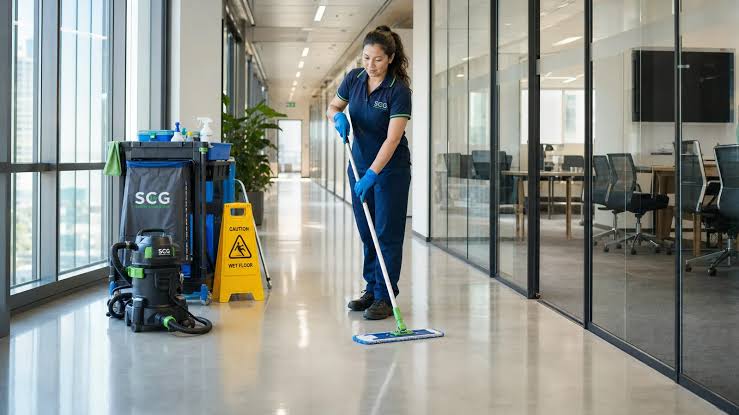
For retail cleaning Sydney, weekly cleaning commonly includes mopping or machine scrubbing, bin management, disinfecting touchpoints, and spot detail on glass and mirrors.
What tasks are better saved for a monthly deep clean?
Monthly work is best for tasks that improve the store’s “overall finish” rather than daily hygiene. That includes high dusting, skirting boards, wall spot cleaning, air-vent dusting, and detailed grout work.
Many retail cleaning Sydney providers schedule monthly deep cleans to align with visual merchandising changes, stocktakes, or quieter trading weeks.
How do shopping centre rules and leases affect the schedule?
They can affect it a lot because many centres require floors, entries, and glass to meet a set presentation standard. Some leases also specify after-hours access, noise limits for machines, and approved chemical use.
In retail cleaning Sydney, managers often choose weekly cleaning simply to reduce the risk of centre complaints, defect notices, or brand-standard breaches.
What role do floors play in deciding weekly versus monthly?
Floors hold the most visible evidence of cleanliness, and they age quickly when grit is left in place. Weekly cleaning protects vinyl, tiles, polished concrete, and sealed timber by removing abrasive dirt before it scratches and dulls finishes.
For retail cleaning Sydney, monthly-only programs often struggle to keep entrances and high-traffic paths looking consistent across the whole month.
How should they think about bathrooms in a retail cleaning plan?
Bathrooms are a reputational risk because customers judge them quickly and harshly. If a store has customer-access toilets, weekly is usually the bare minimum, and some sites need multiple services per week.
In retail cleaning Sydney, monthly-only bathroom servicing tends to work only if bathrooms are staff-only and the team has strong daily cleaning routines.
Do product type and store layout change the best frequency?
Yes, because certain products create specific cleaning problems. Beauty, cosmetics, and fashion stores get makeup dust, fibres, and fitting room debris, while electronics stores show fingerprints and cable dust more easily.
For retail cleaning Sydney, open-plan layouts with lots of glazing and bright lighting also need more frequent cleaning because marks are more visible.
How do staffing and in-house tidying affect weekly or monthly choices?
If staff already handle daily wipe-downs, bins, and quick mops, they can stretch professional cleans further. If staffing is lean, turnover is high, or training is inconsistent, weekly professional support prevents standards from slipping.
In retail cleaning Sydney, the best results usually come from clear division of labour: staff handle daily presentation, cleaners handle consistent hygiene and periodic detail.
What are the cost differences between weekly and monthly cleaning?
Weekly cleaning costs more month to month, but it can reduce long-term restoration costs like strip and seal, grout recovery, or stain removal. Monthly cleaning looks cheaper upfront, but it can allow build-up that takes longer to fix later.
For retail cleaning Sydney, the most cost-effective plan is often weekly maintenance plus a targeted monthly deep clean, rather than choosing one extreme.
How can they compare value instead of just comparing price?
They can compare outcomes: how the store looks at day 2, day 10, and day 25 after a service. A cheaper monthly clean is poor value if the shop looks tired for three weeks, especially under bright retail lighting.
For retail cleaning Sydney, value shows up in fewer complaints, fewer emergency call-outs, and floors that keep their finish for longer.
Other Resources : Evaluation and Value for Money
What hygiene expectations do Australian customers bring into retail stores now?
They expect clean, low-odour spaces with visibly cared-for touchpoints, especially around counters and bathrooms. They also notice sticky floors, dusty shelves, and smudged glass more than retailers think.
In retail cleaning Sydney, weekly cleaning supports that baseline expectation, while monthly deep cleaning helps maintain the “new store” feel.
How do seasons and Sydney weather affect cleaning frequency?
Rain increases tracked-in grit, moisture, and slip risks at entrances, while humid periods can worsen odours in bins and bathrooms. Summer also increases dust and the need for glass and mirror detailing.
For retail cleaning Sydney, many stores add extra weekly visits in winter and reduce slightly in calmer periods, while keeping monthly detail work consistent.
What schedule works best for different types of Sydney retail stores?
They can use this as a quick guide, then adjust based on foot traffic and tenancy rules:
- High-traffic fashion, supermarkets, variety retail: weekly (often more) plus monthly detail
- Beauty, cosmetics, clinics inside centres: weekly, with extra touchpoint focus
- Boutique showrooms, appointment-based services: fortnightly or weekly light cleans, plus monthly deep clean
- Pop-ups and short leases: weekly to protect presentation and meet centre standards
For retail cleaning Sydney, the best schedules are rarely one-size-fits-all.
How can they build a hybrid plan that avoids overpaying?
They can assign weekly to the “always noticed” zones and monthly to the “slow build” zones. Weekly might cover floors, bathrooms, entry glass, bins, touchpoints, and spot detailing, while monthly covers high dusting, vents, skirtings, wall marks, and grout edges.
This approach is common in retail cleaning Sydney because it keeps the store consistently customer-ready without paying for full deep cleaning every week.

What questions should they ask a cleaner before locking in weekly or monthly?
They should ask questions that reveal scope, accountability, and how the cleaner handles retail realities. Good questions include:
- What is included in weekly versus monthly, line by line?
- How do they handle centre access, after-hours work, and alarms?
- What is their quality check process and reporting?
- Which products and machines do they use on the store’s floor type?
- How do they price extras like windows, gum removal, or flood response?
For retail cleaning Sydney, clarity upfront prevents scope gaps and surprise invoices.
What’s the simplest way for them to decide: weekly or monthly?
They should choose weekly if customers regularly use the bathrooms, foot traffic is steady, or the store has lots of glass and hard floors that show marks. They should consider monthly only if traffic is low and the team reliably maintains daily cleaning standards.
For retail cleaning Sydney, a weekly core with a monthly deep clean is often the safest middle ground for presentation, compliance, and cost control.
More to Read : What Warehouse Cleaning Services Include for Dust and Loading Bays