

Sale periods in Sydney change how stores look, feel, and operate. Retail cleaning Sydney teams usually shift priorities fast, focusing less on routine tasks and more on what keeps shoppers safe, shelves presentable, and checkout areas moving.
They also know sale traffic exposes problems that stay hidden on quieter days, like sticky entry mats, smudged glass, overflowing bins, and worn high-touch points.
What changes in a store when a sale period hits?
Foot traffic rises, dwell time increases, and mess builds up faster than usual. Retail cleaning Sydney providers typically respond by increasing service frequency and tightening checklists around entrances, bathrooms, and registers.
They also coordinate with store managers so cleaning happens around peak shopping times, staff breaks, and deliveries, not against them.
Why do entrances and thresholds become the top priority?
Entrances collect dirt, water, and grit from Sydney footpaths and car parks, especially after rain. Retail cleaning Sydney crews often prioritise mats, door tracks, and threshold edges because slips and dirty first impressions start there.
They may rotate and vacuum mats more often, spot mop tiles, and keep wet-floor risks down with quick-response touch-ups.
How do they keep floors safe and presentable all day?
Floors take the biggest beating during sales, particularly in CBD arcades and Westfield-style centres. Retail cleaning Sydney teams commonly focus on fast spot-cleaning, targeted mopping, and keeping walkways clear of dust bunnies, tags, and packaging.
They also pick low-odour products and quick-dry methods so customers are not walking through harsh smells or damp patches.
Which high-touch points do they focus on first?
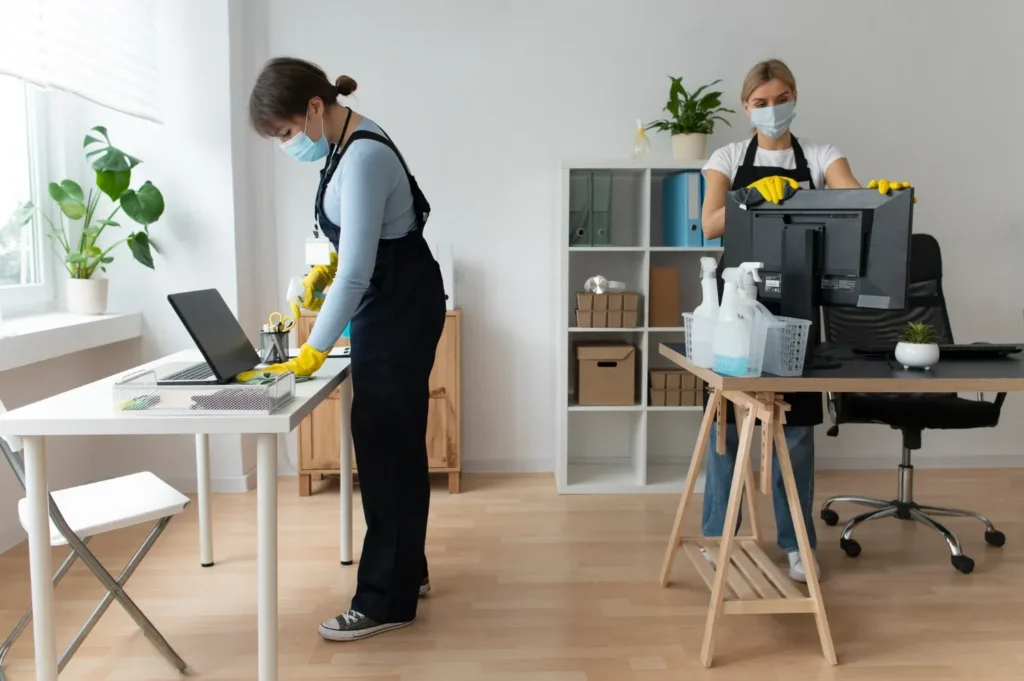
High-touch points multiply during sales because customers handle more stock and queue more often. Retail cleaning Sydney schedules usually prioritise EFTPOS keypads, counters, door handles, change room latches, handrails, and lift buttons where relevant.
They often use structured wipe-down rounds, timed every hour or two, rather than relying on one large clean at the end.
Why do change rooms need a different cleaning approach?
Change rooms become a hotspot when customers try more items and rush through decisions. They typically need constant resets, including hanger removal, dusting ledges, wiping mirrors, and sanitising locks and hooks.
Many retail cleaning Sydney plans also include quick deodorising and floor checks in change rooms because lint, makeup marks, and size tags build up quickly.
What do they prioritise around checkouts and queue lines?
Checkout zones are where congestion happens, and small messes become very visible. Retail cleaning Sydney crews usually focus on tidy counter edges, clean belts, wipe sneeze screens if fitted, and keep the queuing area free of receipts and torn packaging.
They also watch bin fill levels near registers since impulse-buy wrappers and coffee cups often appear there first.
See Also : Weekly or Monthly: What Suits Retail Cleaning Sydney Stores Best?
How do bathrooms get managed when traffic spikes?
Bathrooms can define a customer’s view of the whole store, especially during long sale days. Retail cleaning Sydney schedules often increase bathroom checks for soap, paper, odour control, and spot cleaning on basins and doors.
They also prioritise disinfecting contact points and doing quick cubicle resets, rather than waiting for a single deep clean after close.
How do they control bins, waste, and packaging overflow?
Sale periods produce more waste: swing tags, tissue paper, cartons, and food packaging from nearby cafés. Retail cleaning Sydney teams commonly prioritise frequent bin swaps, liner changes, and a clear process for back-of-house cardboard.
They also check that waste is not stored in fire egress paths, which can become a compliance risk when stockrooms are busy.
What happens in stockrooms and loading dock areas during sales?
Stockrooms get compressed and chaotic during promotions, with faster replenishment and more deliveries. Retail cleaning Sydney providers often focus on keeping stockroom floors clear, managing dust, and removing stray plastic wrap and strapping.
They may also clean around pallet zones and dock entrances so debris does not track onto the shop floor.
Do they prioritise glass, mirrors, and product displays more during sales?
Yes, because sales bring more handling, more fingerprints, and more harsh lighting from displays. Many teams prioritise front glass, entry doors, mirrors, and high-gloss fixtures because smears show up instantly.
For retail cleaning Sydney work, this often means multiple quick glass touch-ups rather than one detailed polish that cannot keep up with traffic.
How do they manage spills and incidents without disrupting trade?
Spills happen more often when customers carry drinks, kids snack, or products leak. They typically use a rapid-response approach: isolate, clean, dry, and reopen the area quickly. Check out more about Healthy school lunchboxes.
Many retail cleaning Sydney providers also set clear escalation steps, so staff know when to call cleaners urgently versus handling minor spot issues in-house.
What role does scent and air quality play in cleaning priorities?
Air quality matters more when stores are packed and doors open constantly to the mall or street. They often prioritise removing odour sources, keeping bathrooms fresh, and avoiding overly perfumed products that can irritate customers.
Some retail cleaning Sydney sites also increase ventilation checks and focus on removing dust build-up at entry grilles and under fixtures.
How do they plan cleaning around extended trading hours?
Extended hours reduce the time available for full resets, especially in major centres across Sydney. They often shift to split shifts, micro-cleans during trade, and targeted after-hours tasks like machine scrubs or detailed restroom work.
Retail cleaning Sydney rosters during sales are usually built around the store’s busiest periods, not a standard nine-to-five rhythm.
What compliance and safety checks rise in importance during sales?
Higher traffic increases risk, so small hazards become bigger liabilities. They often prioritise slip resistance, clear signage during mopping, chemical storage checks, and keeping emergency exits clear.
For retail cleaning Sydney teams, it can also mean documenting incidents and maintaining checklists that support centre management requirements.
How do they coordinate with store staff to avoid friction?
Cleaning works best when it fits the store rhythm. They typically agree on “no-go” times, align on who handles quick tidy tasks, and set clear standards for change rooms, bathrooms, and front-of-house.
Many retail cleaning Sydney providers also use simple reporting methods, like a daily log, photos, or a quick handover, so issues do not get missed between shifts.
What should Sydney retailers look for in a sale-ready cleaning plan?
They should look for a plan that increases frequency where it matters, not just overall hours. A strong approach prioritises entrances, floors, bathrooms, checkouts, and change rooms, with rapid-response spill coverage.
It also helps if their retail cleaning Sydney partner can flex up for major events like Boxing Day, EOFY, and centre-wide promotions, then scale back without losing baseline standards.
What does “good enough” cleaning look like during a busy sale day?
It looks like a store that feels safe, tidy, and cared for, even if not every corner is detailed at every moment. Customers notice clean floors, clear entry glass, presentable bathrooms, and organised high-traffic zones first.
When retail cleaning Sydney priorities are set correctly, the store stays shopper-ready all day, not just right after opening.